


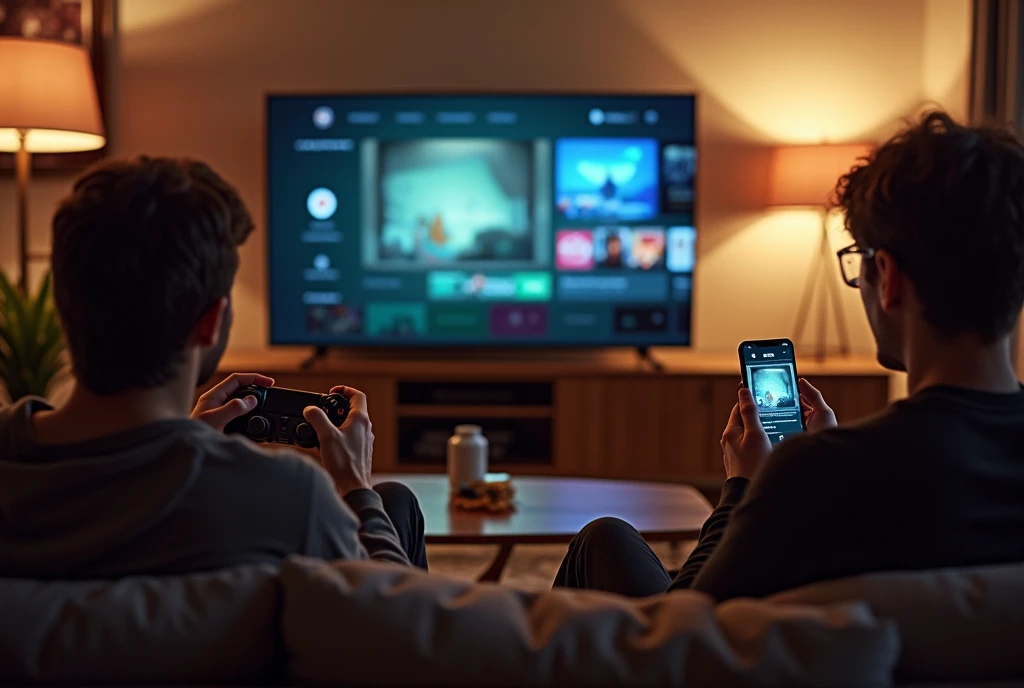
Digital entertainment in the UK is no longer a separate activity that people plan for in advance. It is woven into routine moments.
A commuter scrolling short videos on the Tube, friends switching between a live football stream and a console game on a Friday evening, or someone unwinding at home with a series after work.
These habits show how entertainment fits naturally into daily life rather than standing apart from it. In this context, choices are often paired with other familiar behaviours.
For example, during relaxed at-home evenings, people may combine streaming or gaming with lifestyle products that are already part of the local market, including thc edibles uk, which are discussed in online forums in the same practical way as snacks or drinks. Entertainment here is about convenience, mood and accessibility rather than novelty alone.
How UK Audiences Choose Digital Entertainment Platforms
UK audiences are selective but pragmatic when choosing digital entertainment. Platform loyalty exists, but it is fluid.
Users move quickly if something feels outdated, slow, or poorly aligned with their schedule. Choice is shaped by ease of access, content variety, and how well a platform fits into short or extended sessions.
Streaming, gaming and interactive formats
Different formats coexist rather than compete directly, and many users rotate between them depending on time and context.
Bulleted list:
- Subscription streaming services for series, films and documentaries
- Console and mobile gaming for active participation
- Live streams and social video for real-time engagement
- Casual browser based entertainment during short breaks
The appeal lies in flexibility. Viewers may binge a series one week and barely open the app the next, replacing it with interactive or social formats that feel more immediate.
Mobile-first habits and on-demand consumption
Mobile devices dominate entertainment access in the UK. Phones and tablets are the primary screens for short sessions, especially during commuting or downtime between tasks. On-demand access matters more than production scale.
Content that loads quickly and works smoothly on mobile gains preference even if it is less polished than traditional television output. This shift explains why shorter formats and interactive experiences continue to grow alongside long-form content.
Generational Differences in Digital Entertainment Preferences
Age plays a role, but not in a rigid way. Preferences overlap, yet patterns appear when looking at how different age groups structure their entertainment time.
Younger audiences and fast-switching formats
Younger UK audiences tend to move quickly between platforms and formats. Attention is split across multiple apps, often within the same session.
Bulleted list:
- Short videos and clips that fit into minutes rather than hours
- Online multiplayer games with social elements
- Platforms that allow commenting, sharing and remixing content
For this group, entertainment is rarely passive. Interaction, feedback, and social visibility are part of the experience.
Older audiences and scheduled or familiar content
Older audiences often favour reliability and familiarity. While many are comfortable with streaming technology, they show stronger attachment to specific platforms or genres. Long-form series, documentaries, and live broadcasts remain popular.
Entertainment sessions are more likely to be planned, such as watching a programme in the evening rather than filling small gaps throughout the day.
Social Contexts That Shape Entertainment Choices in the UK
Entertainment decisions in the UK are strongly influenced by where and with whom content is consumed. The same person may choose very different formats depending on social setting.
Home, shared spaces and casual social settings
At home, entertainment often becomes a shared activity. Group settings influence format choice and content tone.
Bulleted list:
- Streaming series or films for shared viewing
- Party or sports games for social interaction
- Background content during informal gatherings
These situations prioritise accessibility and familiarity. Content that requires little explanation or setup performs best.
Influence of trends, recommendations and online communities
Recommendations carry significant weight. Algorithms, social media discussions, and community forums shape awareness and adoption.
UK audiences tend to trust peer experiences more than direct promotion. A show, game or platform often gains traction because it appears repeatedly in conversations rather than through a single campaign. This effect reinforces the importance of social proof and visible usage.
Practical Takeaways for Brands and Platforms
Understanding UK entertainment preferences leads to clear practical conclusions.
Numbered list:
- Prioritise mobile performance and fast access
- Offer flexible formats that suit both short and long sessions
- Design for social use and shared experiences
- Rely on community visibility rather than heavy messaging
- Adapt content presentation to different age groups without isolating them
Conclusion
Digital entertainment in the UK reflects everyday habits rather than isolated trends. Audiences value flexibility, ease of use, and content that fits naturally into their routines and social environments.
Preferences shift depending on context, age, and setting, but the underlying expectation remains consistent. Entertainment should be accessible, adaptable, and integrated into real life moments.
Brands and platforms that align with these expectations are better positioned to stay relevant as habits continue to evolve.