


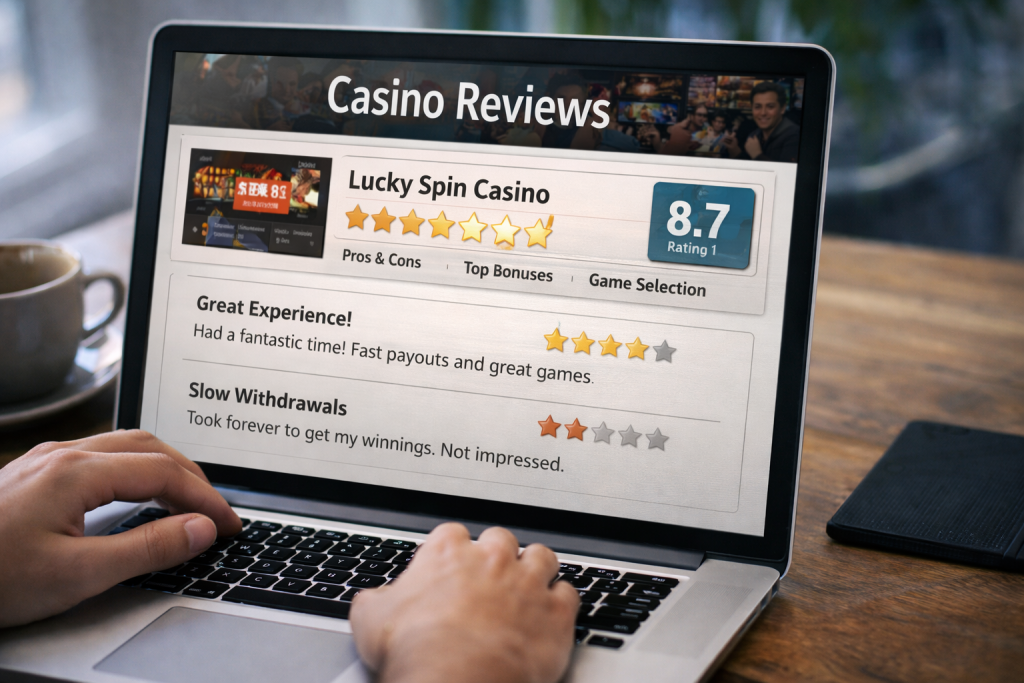
If you ask most players what’s the hardest part about gaming today, many of them won’t say the gameplay or the difficulty curve. They’ll say the choosing part. There are so many platforms now that you can scroll for half an hour before even settling on one to try.
A lot of them look good at first glance, but players have learned that a nice layout doesn’t always match the actual experience.
That’s why reviews became something people rely on much more than before. Not as a final answer, but as a sanity check before jumping in.
Nobody wants to spend time creating an account just to realise the platform is clunky or slow or confusing. Reviews help cut down those bad first impressions.
They feel like a quick conversation with someone who already tested the waters and is willing to share what they found good or bad.
How Player Expectations Have Shifted Over the Years?
A while ago, people didn’t give this much thought. They’d hear about a new platform, click on it, and off they went. But players today are different. They notice things faster and expect more.
Maybe it’s because they’ve tried more platforms, or maybe because gaming has become a bigger part of everyday life, so people want it to feel smooth instead of frustrating.
Players still care about the basics stable performance, games that load properly, nothing buggy but they also pay attention to the parts you can’t see right away.
For example, does the platform communicate clearly? Does support actually answer when you need help? Do the menus make sense, or do you have to click around like you’re solving a puzzle?
Even small things like how fast the site reacts when switching games matter. It’s the kind of stuff players wouldn’t have noticed years ago but now do, simply because there are so many alternatives.
Because of all this, people research before committing. Not in an obsessive way, just enough to avoid annoyances. Reviews became the shortcut for that. They help confirm whether a platform is worth the time or if it’s one of those pretty-but-problematic ones you regret signing up for.
Why Independent Review Sources Matter?
Independent reviewers play a bigger role than most people realise. They aren’t tied to the platform, so they can point out things others might skip. And this honesty is what players look for.
For example, your trusted review source for Aussie casino players can be used by players around the world for a real and honest approach.
Good reviews tend to read like someone actually spent time on the platform. Maybe they liked something unexpected. Maybe they hit a glitch. Maybe the experience was better than they thought it would be. That kind of honesty gives players a clearer idea of what they might face.
It also helps that good reviewers update their content. That part gets overlooked, but platforms change. Some introduce great features; some remove things players loved; others simply fall behind.
A review written two years ago might not reflect today’s reality at all. Reviewers who revisit old impressions help players avoid outdated information.
Without these independent voices, players would have to rely completely on marketing or try everything themselves, which most people simply won’t do.
How Reviews Influence Player Confidence?
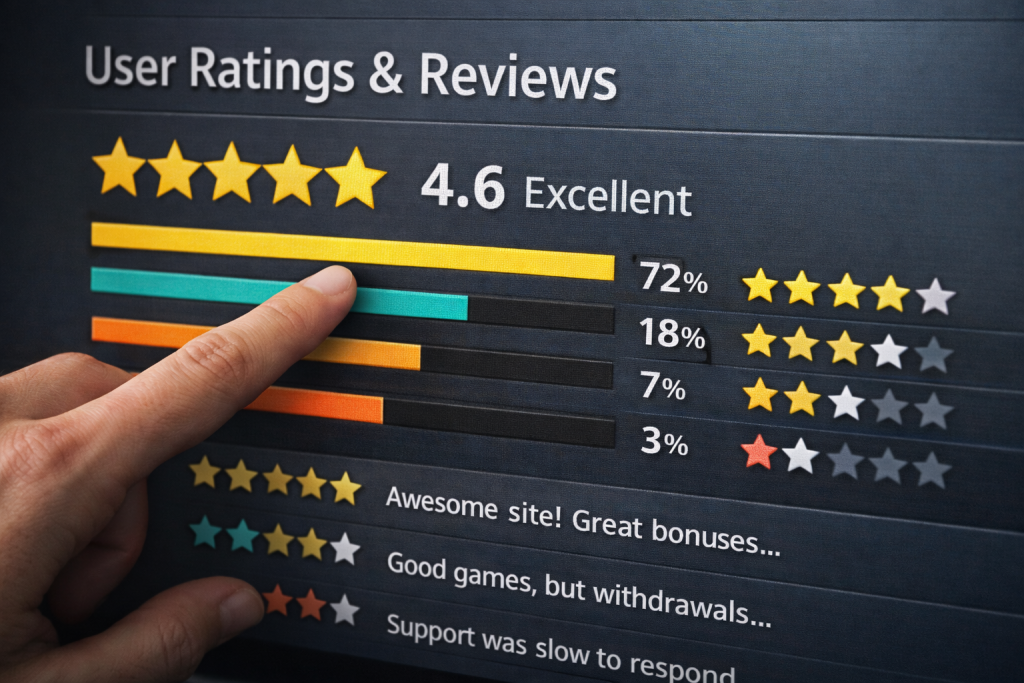
Confidence plays a bigger role in gaming choices than people admit. When you choose a platform, you want to feel like you made a reasonable, informed decision. Reviews help build that confidence by showing what might not be visible from the surface.
New players especially lean on reviews because everything looks equally appealing at first. If you’re not familiar with the space, you might not know what indicators matter. Reviews offer guidance and simplify things without overwhelming you with jargon.
More experienced players use reviews differently. They skim for updates, changes, anything worth noting. Maybe a platform they ignored earlier is now better.
Or maybe their favourite one has slipped a bit. Reviews keep them in the loop without requiring them to test every new thing that appears.
Confidence doesn’t come from hype it comes from clarity. Reviews provide that. They help players avoid surprises, which is often enough to shape their decisions.
What Players Appreciate in a Good Review?
Players rarely want a perfect, polished essay. They want something practical. A human tone. Something that explains what worked, what didn’t, and what simply felt odd or surprising during the reviewer’s time on the platform.
They appreciate when a reviewer doesn’t pretend every feature is groundbreaking. Instead, they want someone to say, “This part was easy to use,” or “This took longer than it should’ve.” Simple, real observations carry more weight than long descriptions.
They also value comparisons. It helps to know whether a platform’s “unique feature” is actually unique or if most platforms already offer something similar.
This context helps players understand whether they’re signing up for something genuinely different or just another variation of the same model.
But above everything else, players respond to authenticity. Reviews that feel human, not scripted. Honest impressions, not sugar-coated summaries. That’s what makes a review genuinely useful.
The Push for More Transparency in Online Gaming
Transparency is slowly becoming a core expectation. Players want clear rules, usable terms, and straightforward communication.
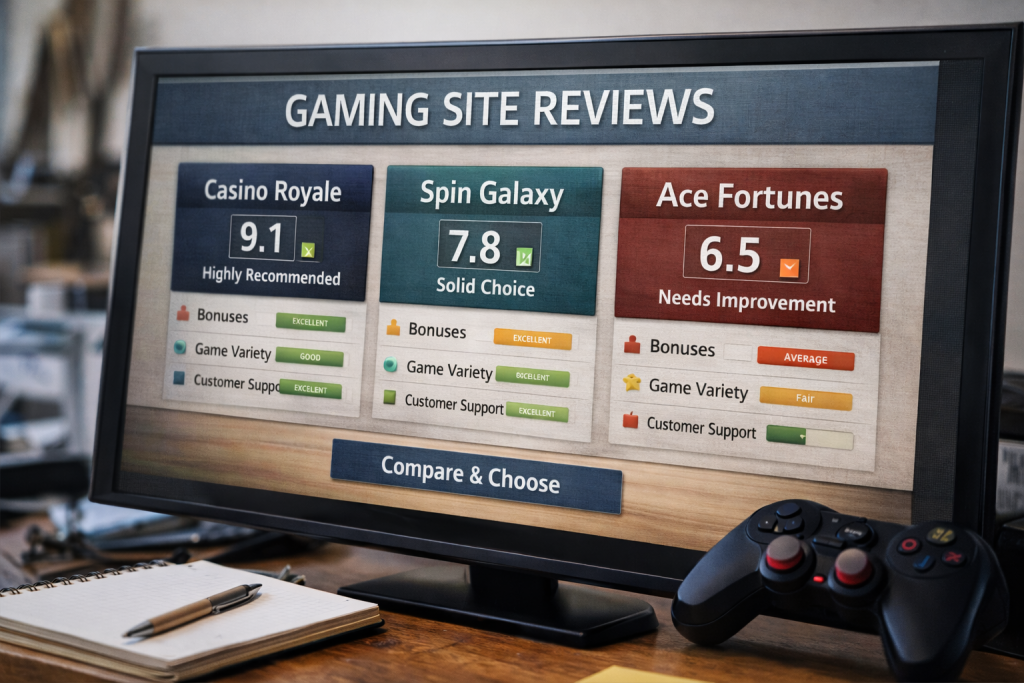
They don’t want hidden conditions or confusing layouts. Reviews highlight where platforms succeed and where things feel murky, and platforms do pay attention to this.
When enough reviewers mention unclear policies or missing information, platforms often fix it. Not out of obligation, but because they know players won’t tolerate poor communication anymore. This back-and-forth has slowly raised the overall standard.
Reviews play a quiet but strong role in this shift. They show players what to expect while nudging platforms to improve.
And as long as gaming keeps expanding, reviews will stay essential not as the final authority, but as a guide that helps people move through a crowded and sometimes confusing digital space.